How to design DC cable ?
How to design DC cable ?
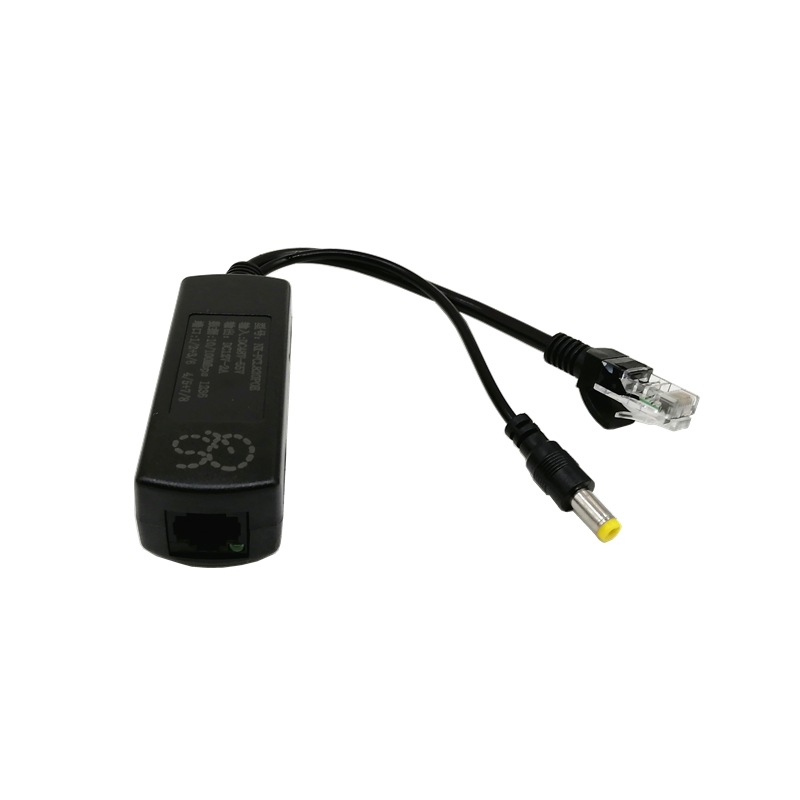
DC cable design is a core part of low-voltage electrical engineering, widely applied in surveillance cameras, photovoltaic systems, intelligent equipment, and automotive low-voltage circuits. Unlike AC cables that focus on high-voltage insulation and frequency adaptation, DC cable design prioritizes stable voltage transmission, reasonable current carrying capacity, and low line loss. A scientific DC cable design can effectively avoid common problems such as equipment restarting, insufficient power, line overheating, and short-circuit damage, ensuring the long-term stable operation of low-voltage electrical equipment. This article mainly takes the commonly used 12V low-voltage DC system (especially for monitoring equipment) as an example to elaborate on the key points of DC cable design.
The first core principle of DC cable design is determining the appropriate wire gauge according to transmission distance and load power. The biggest defect of low-voltage DC power supply is obvious voltage drop during long-distance transmission. Since DC current flows stably in a single direction without the skin effect of AC current, the wire core’s conductive area directly determines the current carrying capacity and voltage loss. In actual engineering, the power of ordinary network surveillance cameras is 3W to 5W, with a working current of about 0.25A to 0.4A, while zoom cameras and cloud dome cameras have higher power, reaching 10W to 24W and a working current of 1A to 2A. Different load powers require completely different cable specifications.
For short-distance wiring within 20 meters, 0.3mm² (24AWG) pure copper DC cables are sufficient for single ordinary surveillance cameras. This type of cable is flexible, low-cost, and has negligible voltage loss in short-distance power transmission, which meets the daily operation needs of equipment. For medium-distance wiring of 20 to 50 meters, the 0.5mm² (22AWG) cable is the most mainstream engineering choice. It can effectively control the voltage drop within 1V, ensuring that the terminal voltage of 12V equipment is maintained above 11V, and avoiding the failure of infrared night vision function and equipment restart caused by insufficient voltage. For long-distance wiring of 50 to 100 meters, it is necessary to upgrade to 0.75mm² (20AWG) cables. If the wiring distance exceeds 100 meters, 1.0mm² cables must be used to suppress excessive line loss.
In addition to distance and power, centralized power supply scenarios need hierarchical DC cable design. When one DC power supply drives multiple monitoring devices, the trunk cable and branch cable must adopt different wire gauges. The branch cable connecting a single camera can use 0.5mm², while the main trunk cable carrying the total current of multiple devices needs to be thickened accordingly. Within 4 loads, a 0.75mm² trunk cable is qualified, and more than 6 loads require a 1.0mm² trunk cable. This hierarchical design of thick trunk and thin branch balances power supply stability and construction cost, which is the standard for large-scale monitoring project wiring.
Material selection is another key link in DC cable design. Qualified DC cables must use oxygen-free pure copper cores, rather than copper-clad aluminum or non-standard thin wires. The conductivity of copper-clad aluminum cables is only about 60% of pure copper wires, which will cause serious voltage drop and heating problems in long-distance power transmission. At the same time, the insulating sheath of DC cables needs to have wear resistance, anti-aging and anti-extrusion performance. For outdoor monitoring wiring, UV-resistant and waterproof sheaths are required to adapt to harsh outdoor environments and prevent insulation aging and wire exposure caused by wind and sun exposure.
Standard wiring specifications and safety protection design are also indispensable parts of DC cable design. DC cables have strict positive and negative polarity distinctions, so standardized color matching (red for positive, black for negative) must be followed in design and wiring to avoid equipment burnout caused by reverse connection. During wiring, excessive bending and sharp extrusion should be avoided to prevent internal wire breakage and insulation damage. For high-power DC circuits, fuses and overcurrent protection devices need to be installed at the power supply end to prevent line fire hazards caused by short circuits and instantaneous overcurrent.
In conclusion, scientific DC cable design needs to comprehensively consider load power, transmission distance, wiring scenarios and cable materials. It abandons blind thin-wire cost reduction or redundant thick-wire waste, and selects matching wire gauges and high-quality materials according to actual engineering needs. Standardized DC cable design can not only ensure the stable operation of low-voltage DC equipment such as monitors, but also greatly reduce hidden dangers of line failures, providing a safe and reliable guarantee for the long-term operation of electrical systems.