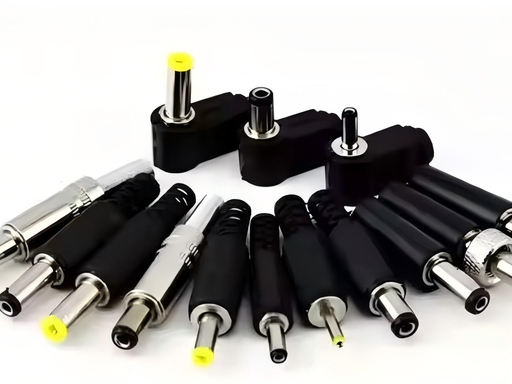
DC wire size selection is one of the most critical steps in low-voltage electrical installation and engineering design. Unlike AC power distribution, which tolerates minor voltage fluctuations, low-voltage DC systems such as 12V monitoring equipment, smart devices and storage batteries are extremely sensitive to wire resistance and voltage drop. Choosing an inappropriate wire gauge will lead to common faults including device restarting at night, dim infrared lights, insufficient operating voltage, and even wire overheating and short-circuit fires. Therefore, mastering a scientific
DC wire sizing method is essential to ensure stable equipment operation and construction safety. This article focuses on low-voltage DC scenarios and explains the key principles and practical standards for selecting DC wire sizes.
The core factors that determine DC wire size are transmission distance, load current and working voltage. In low-voltage DC systems, voltage drop is the primary consideration. When the wire is too thin or the distance is too long, the resistance of the cable will consume part of the power, causing the terminal voltage to drop below the equipment’s working threshold. Taking the widely used 12V monitoring system as an example, most network cameras work stably at 11V to 12V. If the terminal voltage is lower than 11V, the load cannot operate normally, especially when infrared lights turn on at night and the current increases suddenly. Unlike AC current, DC current flows evenly through the entire wire core without skin effect, so the wire cross-sectional area directly determines current carrying capacity and line loss.
In practical engineering applications, wire size selection follows clear distance and power grading standards. For ordinary single network cameras with a power of 3W to 5W and a working current below 0.4A, short-distance wiring within 20 meters can adopt 0.3mm² (24AWG) pure copper wires. This wire is lightweight, flexible and cost-effective, fully meeting the power supply demand of short-distance near-end installation. For medium-distance wiring of 20 to 50 meters, the most recommended specification is 0.5mm² (22AWG), which is the universal standard for most home and commercial monitoring projects. It effectively controls the voltage drop within 1V, ensuring stable terminal voltage and avoiding intermittent device failures.
For long-distance wiring of 50 to 100 meters, wire size must be upgraded to 0.75mm² (20AWG) to offset increased line resistance. If the wiring distance exceeds 100 meters, 1.0mm² wires are mandatory to prevent excessive power loss. It is worth noting that high-power loads such as zoom cameras and cloud dome cameras require higher current, usually 1A to 2A. Regardless of short distance, such equipment must use wires above 0.75mm² to cope with instantaneous current surge and avoid overheating risks.
Special sizing rules apply to centralized DC power supply systems. When one power adapter supplies power to multiple cameras, designers must adopt a hierarchical wiring strategy with thick trunk lines and thin branch lines. The branch wire for each independent camera can remain 0.5mm², while the main trunk line carrying total current needs to be thickened according to the number of loads. For 1 to 4 devices, 0.75mm² trunk wires are sufficient; for more than 6 parallel devices, 1.0mm² trunk wires are required to prevent overload and voltage instability of the whole circuit.
Wire material quality also affects the actual sizing standard. Non-standard copper-clad aluminum wires have much lower conductivity than pure copper wires. A copper-clad aluminum wire marked 0.5mm² only has the conductive capacity of a 0.3mm² pure copper wire. Therefore, all formal engineering projects must use oxygen-free pure copper DC wires, and appropriately increase the wire size if only low-quality wires are available. In addition, outdoor wiring needs to consider aging and extrusion, and thicker wires can reserve sufficient safety margin for long-term operation.
In conclusion, DC wire size selection is not based on subjective experience but on comprehensive judgment of transmission distance, load power, parallel quantity and wire material. Too thin wires cause voltage drop and equipment failure, while excessively thick wires waste construction costs and space. Reasonable wire sizing can effectively reduce line loss, avoid overheating faults, and greatly improve the stability and safety of low-voltage DC power supply systems. It is a basic but indispensable skill for electrical construction and maintenance personnel.