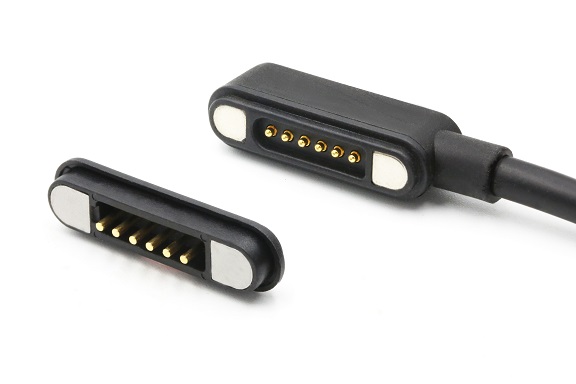
Magnetic charging cables have surged in popularity among digital users in recent years. Thanks to the automatic adsorption design, users can connect charging lines to mobile phones, smart watches and other devices effortlessly without plugging and unplugging ports repeatedly. This user-friendly design reduces port wear and simplifies daily charging operations. However, despite its obvious convenience, magnetic cables contain numerous unavoidable drawbacks that limit their practical value and long-term usability. From unstable connection and low charging efficiency to hidden safety risks and poor compatibility, these flaws make magnetic cables far less ideal than traditional USB cables in many scenarios.
The most prominent disadvantage of magnetic cables is fragile and unstable magnetic connections. Unlike traditional tightly plugged integrated connectors, magnetic cables rely on magnetic attraction to fix metal pins and cable heads. Slight shaking, accidental pulling or body movement during phone use will separate the magnetic connector instantly and cut off power supply. This problem is extremely annoying for gamers and office workers who use phones while charging. Besides, surrounding metal objects such as keys, coins and metal phone brackets will interfere with magnetic force, causing intermittent power disconnection. Over time, weakened magnetism caused by long-term use further worsens connection stability, making the cable useless after half a year of regular use.
Secondly,
magnetic charging cable suffer from slower charging speed and extra heat generation. Professional electronic tests prove that magnetic connectors cause electric energy loss during transmission, dropping charging efficiency by 15% to 30% compared with original standard cables. Most ordinary magnetic cables cannot support fast charging protocols like USB PD and warp charging, failing to match high-power chargers for modern smartphones. Worse still, energy loss converts into extra heat during power transmission. Excessive accumulated heat accelerates lithium-ion battery aging, triggers battery micro-cycle damage, and even raises overheating risks during long-hour charging, greatly shortening mobile device battery lifespan.
Poor universal compatibility and extra accessory troubles are another major defect. Most magnetic cables need tiny detachable metal tips inserted into device ports permanently. These protruding metal tips are bulky, scratch phone cases easily and fall off frequently. Moreover, magnetic tips are brand-locked: one magnetic cable cannot fit Lightning, Type-C and Micro-USB ports simultaneously. Users owning multiple electronic devices have to prepare sets of matched tips and cables. In addition, most cheap magnetic cables cancel high-speed data transmission functions; even premium versions only support low-rate file transfer, failing to meet users’ needs of backing up large photos and videos quickly.
Furthermore, magnetic cables bring potential safety and hardware damage risks. Low-cost uncertified magnetic cables adopt uneven internal pins and poor magnetic components. Misaligned pins after magnetic adsorption lead to short circuits, port burnout and even local melting of connectors. In severe cases, they damage device mainboards permanently. Meanwhile, exposed tiny magnetic metal pins easily gather dust, lint and moisture in pockets, leading to internal corrosion and circuit oxidation. Different from sealed traditional cable ports, exposed magnetic pins are more vulnerable to dirt damage in daily life.
In conclusion, magnetic cables only gain superficial convenience at the cost of charging performance, stability, compatibility and device safety. Unstable connections, slow fast-charging speed, messy accessory matching and potential hardware hazards are core disadvantages of this product. For daily stable charging and long-term device protection, traditional integrated data cables are still more reliable choices. Users should rationally treat magnetic cables’ marketing advantages and avoid ignoring their hidden practical defects.