How to Prevent Sheath Damage of DC Cables ?
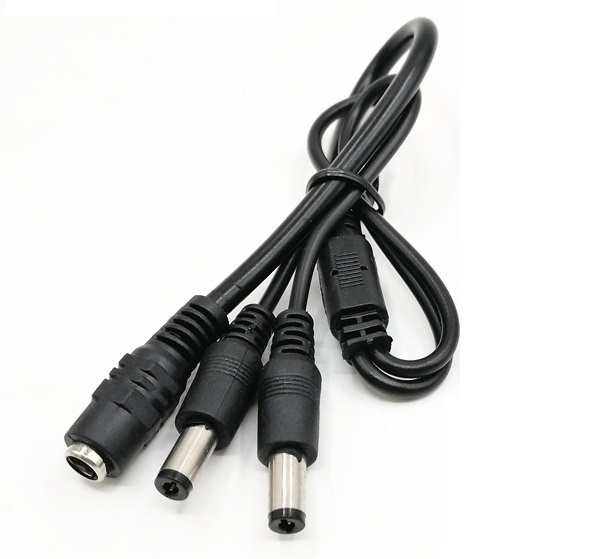
1. DC cables Prevention in the Production Process
Sheath damage is a common defect of DC cable during production, handling and transportation. It not only spoils the product appearance, but also may cause insulation failure and electric leakage, bringing potential safety hazards. To address this issue effectively, comprehensive prevention measures shall be implemented throughout the whole process including raw material control, production procedures, on-site operation, warehousing, transportation and quality management.
First of all, strictly control incoming raw materials to enhance the abrasion resistance of cables from the source. Select qualified PVC, TPU and other sheath materials with high toughness, excellent friction resistance and low-temperature crack resistance. Recycled or inferior materials are prohibited. Conduct sampling inspection on incoming materials to verify the thickness, hardness, tensile strength and scratch resistance of the sheath, and ensure all parameters meet production standards. Semi-finished products with scratches or dents shall be rejected directly.
Secondly, optimize extrusion and wire drawing processes to reduce mechanical damage caused by equipment. Regularly inspect and maintain machine components such as extruder dies, guide wheels, wire guards and wire passages. Polish sharp edges and burrs, and replace severely worn parts in a timely manner to avoid scratching the moving cables. Set appropriate operating temperature and traction tension. Excessively high temperature will soften the sheath, while overly low temperature makes it brittle. Keep the temperature within the standard range according to material properties. Excessive traction force shall also be avoided to prevent the sheath from cracking due to overstretching. Ensure neat winding on reels without compressing or binding the cables.
In addition, standardize post-processing procedures and staff operations. Keep workbenches clean at all cutting, stripping, injection molding and soldering stations, and remove metal debris and hard sundries to prevent accidental scratches. Regularly maintain cutting tools and fixtures to keep their surfaces smooth and burr-free. Provide professional training for operators to standardize handling methods. Cables shall be moved gently without pulling, yanking or sharp bending. Line the inner walls of turnover containers with soft rubber, and place cables in order to avoid messy stacking and mutual friction. During plug injection molding, ensure precise mold closing to prevent the mold from pinching the cable root.
Finally, strengthen packaging, warehousing, transportation and quality inspection. Wrap finished DC cables with individual protective films, use partition boards and cushioning materials inside packaging boxes to reduce friction and collision. Follow the stacking rule of "heavy items at the bottom and light items on top" and control stacking height in the warehouse to prevent compression damage. Reinforce packaging boxes for logistics transportation to avoid shaking and impact. Carry out first article inspection and patrol sampling during production. Once defective products are found, stop production immediately to identify and solve problems, so as to steadily reduce the defect rate